Income protection
A monthly income if illness or injury stops you working.
Suits: Replacing the sick pay you don’t get
Cover for when you are the boss
No sick pay, no death-in-service, no one to cover for you. Cover that does the job an employer’s benefits would.
A few minutes online. No sales calls, and no fee from us.
The same policies anyone can buy. When you work for yourself, they matter more.
Who can apply? Sole traders, partners, freelancers, contractors and company directors who live in the UK. For income protection, most insurers want proof of your earnings, usually from your tax returns or accounts. Not sure? Ask us.
A monthly income if illness or injury stops you working.
Suits: Replacing the sick pay you don’t get
A lump sum for the people who rely on you, if you die.
Suits: Replacing death-in-service

A lump sum if you’re diagnosed with a serious illness.
Suits: Time off without the business going under
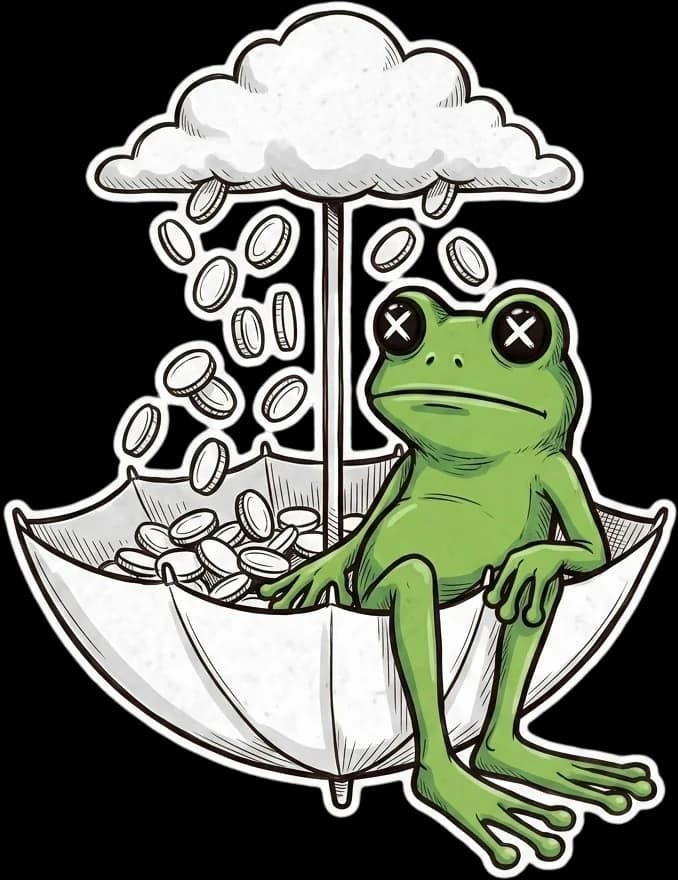
An add-on that pays your premiums if you can’t work.
Suits: Keeping your cover going
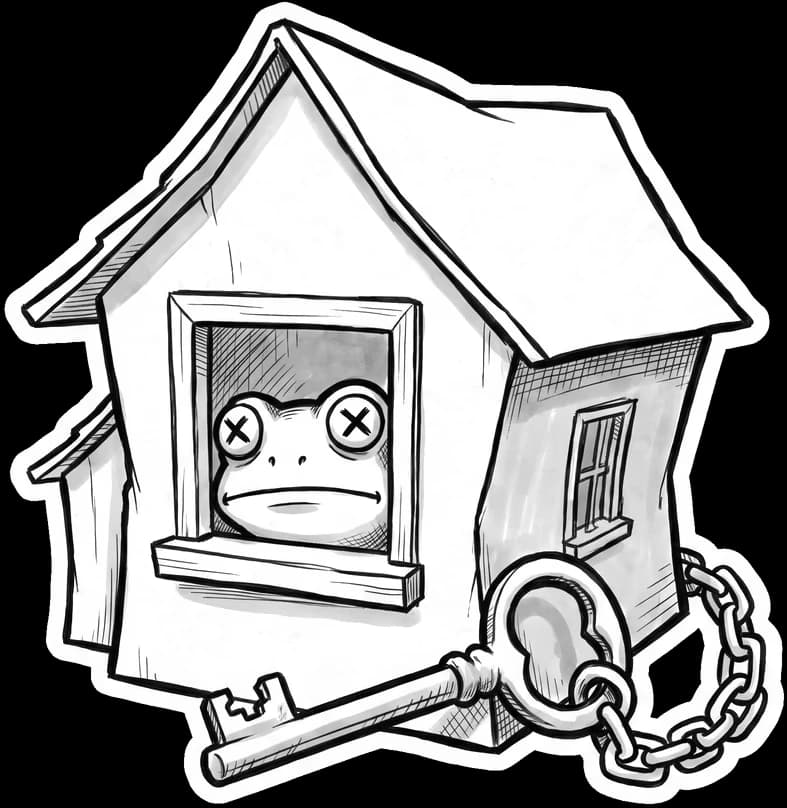
We know the paperwork. Insurers judge self-employed earnings differently. We’ll find the ones that suit how you’re paid.
We compare, you choose. Quotes from a panel of UK insurers, side by side, in plain English.
No fee from us. The insurer pays us if you take a policy. It doesn’t add to your premium.
No sales calls, ever. You’re busy. Do it all online, and call us only if you want to.

Compare a panel of recognised UK insurers through one clear, straightforward application.





Three steps, online, with a person on the phone if you want one.

What you do, how you’re paid, and roughly what you earn.
See the prices, waiting periods and terms side by side, and choose the one that fits.
The insurer checks your answers, sometimes with your doctor or your accounts. Cover starts the day they accept you.
Short answers to what people who work for themselves ask most.
Self-employed people can’t get Statutory Sick Pay. You may be able to claim New Style Employment and Support Allowance or Universal Credit, but it’s far less than most people earn.
Usually from your tax returns or accounts: for a sole trader, your profit; for a company director, your salary and dividends. Rules differ between insurers.
Not usually. Many insurers look at an average over a few years. We’ll help you find one that suits how you earn.
Match it to how long your savings would last. The usual choices are 4, 13, 26 or 52 weeks, and a longer wait costs less.
Payments from a personal income protection policy are usually free of Income Tax. The premiums usually can’t be claimed as a business expense.
Your company may be able to pay for some kinds of cover. That depends on your circumstances, so talk to your accountant, and ask us about the options.
Claims and changes are handled by your insurer: their number is on your policy documents. If you arranged it through us, call us on 01302 590 852 and we’ll help you find the policy and the right people.
For a claim, it helps to have:
Tell them early, even during the waiting period, so the payments can start on time. Their claims number is in the policy documents.
Can’t find the policy, or the insurer? Call us on 01302 590 852 and we’ll find it with you.
Changing your mind
You have 30 days after your policy starts to cancel for a full refund of anything you’ve paid.
If an insurer fails
Protection policies are covered by the Financial Services Compensation Scheme (FSCS), which covers 100% of a claim if an insurer can’t pay. See fscs.org.uk.
What the state pays
Check what you could claim before you choose your cover. See gov.uk.
Ask a real person anything about cover when you work for yourself. Nobody will try to sell you anything, and there’s no fee from us.
Monday–Thursday 9am–7pm, Friday 9am–3pm